DD

WHERE TO BUY A PROPERTY IN CROATIA?
Croatia’s regions offer a unique blend of landscapes, lifestyle, accessibility and investment potential, helping you choose the location that best matches your vision for a property.
RECOMMENDED STEPS BEFORE MAKING A REAL ESTATE INVESTMENT IN CROATIA
If you have reached this stage, you are likely already familiar with some aspects of the Croatian property buying process. Our architectural firm offers comprehensive, locally grounded assistance in your own language, helping you navigate each step with confidence and clarity.
IDENTIFYING THE PREFERRED REGION
Choosing the right location starts with understanding your lifestyle goals, accessibility needs, and long term plans for the property. We help you evaluate different Croatian regions based on scenery, infrastructure, development potential, and regulatory context, ensuring your choice aligns with your vision.
SEARCHING FOR SUITABLE PROPERTIES
Whether you explore options independently or through a local real estate agency, we recommend a thorough review of available properties, market prices, and renovation or development potential. Our team can communicate with agents on your behalf, request additional documentation, and help shortlist properties that meet your criteria.
TECHNICAL AND LEGAL DUE DILIGENCE
Once promising properties are identified, our architects and surveyors conduct detailed inspections and regulatory checks. This includes reviewing zoning rules, building conditions, existing permits, and any legal or technical constraints relevant to foreign buyers. We provide a clear, structured report outlining risks, limitations, and opportunities for each property.
FEASIBILITY STUDY AND PRELIMINARY COST ASSESSMENT
We prepare a feasibility study tailored to your intended use—private, rental, or mixed. This includes a preliminary cost estimate for construction or renovation, interior fit out recommendations, and an assessment of what is realistically achievable within your budget. Our team ensures that design possibilities, regulatory requirements, and financial expectations are aligned from the start.
MARKET ANALYSIS AND BUSINESS PLANNING
In collaboration with local real estate and tourism market experts, we can provide an overview of rental demand, occupancy trends, and expected returns. Based on this, we help develop a business plan that evaluates the investment’s profitability and long term potential, supporting you in making an informed decision.
CROATIA'S RESIDENTIAL MARKET AT A GLANCE (2025)
This snapshot outlines how Croatia’s key coastal and inland regions compare in terms of property prices and construction costs for 2025.
(source: realting.com )
| Croatia regions |
Average price per m² prime locations (coast, cities) |
Average price per m² standard (inland) |
Dwellings construction cost per m² |
|---|---|---|---|
| Istria & Kvarner | 500 EUR | 130–300 EUR | 3719–4055 EUR |
| Middle Dalmatia | 500 (–1000) EUR | 200–500 EUR | 3288–3710 EUR |
| South Dalmatia | 500 (–1000) EUR | 150–400 EUR | 3581–4209 EUR |
| Slavonia | 50–150+ EUR | 50–150 EUR | 792–1762 EUR |
| Central Region | 100–150+ EUR | 50–150 EUR | 865–2274 EUR |
| City of Zagreb | 500+ EUR | 50–150+ EUR | 3642 EUR |
MAIN CROATIAN REGIONS
ISTRIA AND KVARNER
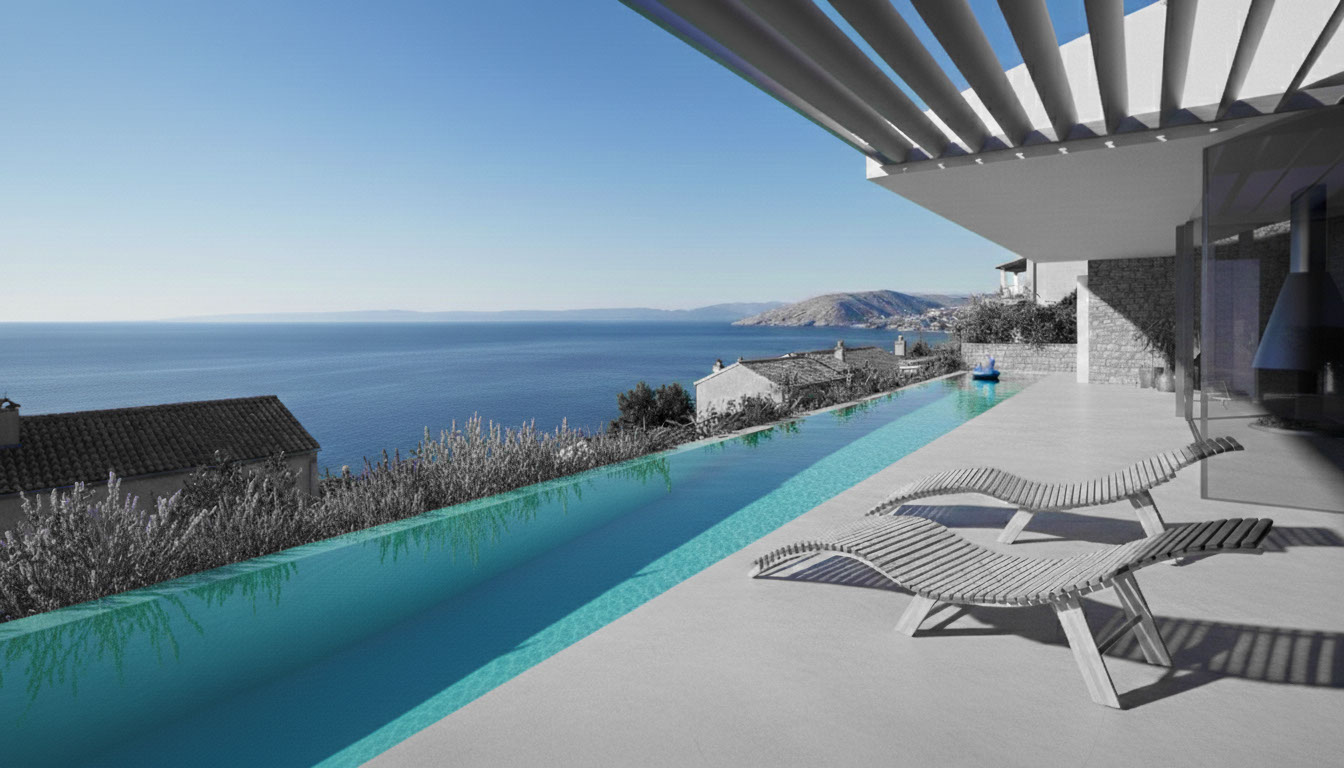
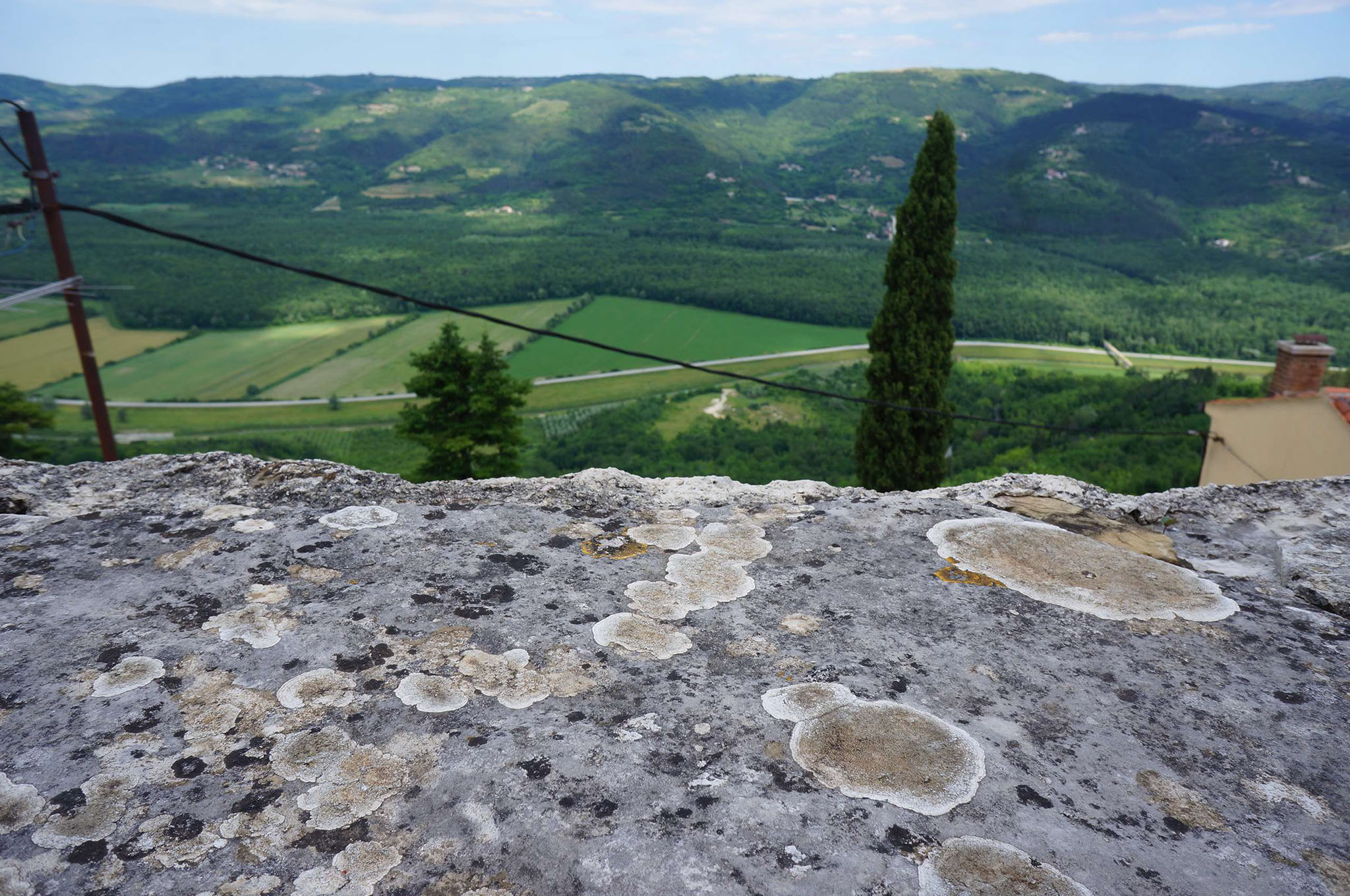
Istria and Kvarner blend coastal cities like Pula, Rijeka, and Opatija with hilltop villages and island towns, offering a mix of stone houses, renovated farmsteads, and contemporary villas that attract family tourists, food‑lovers, and visitors seeking authentic Mediterranean architecture.
MIDDLE DALMATIA
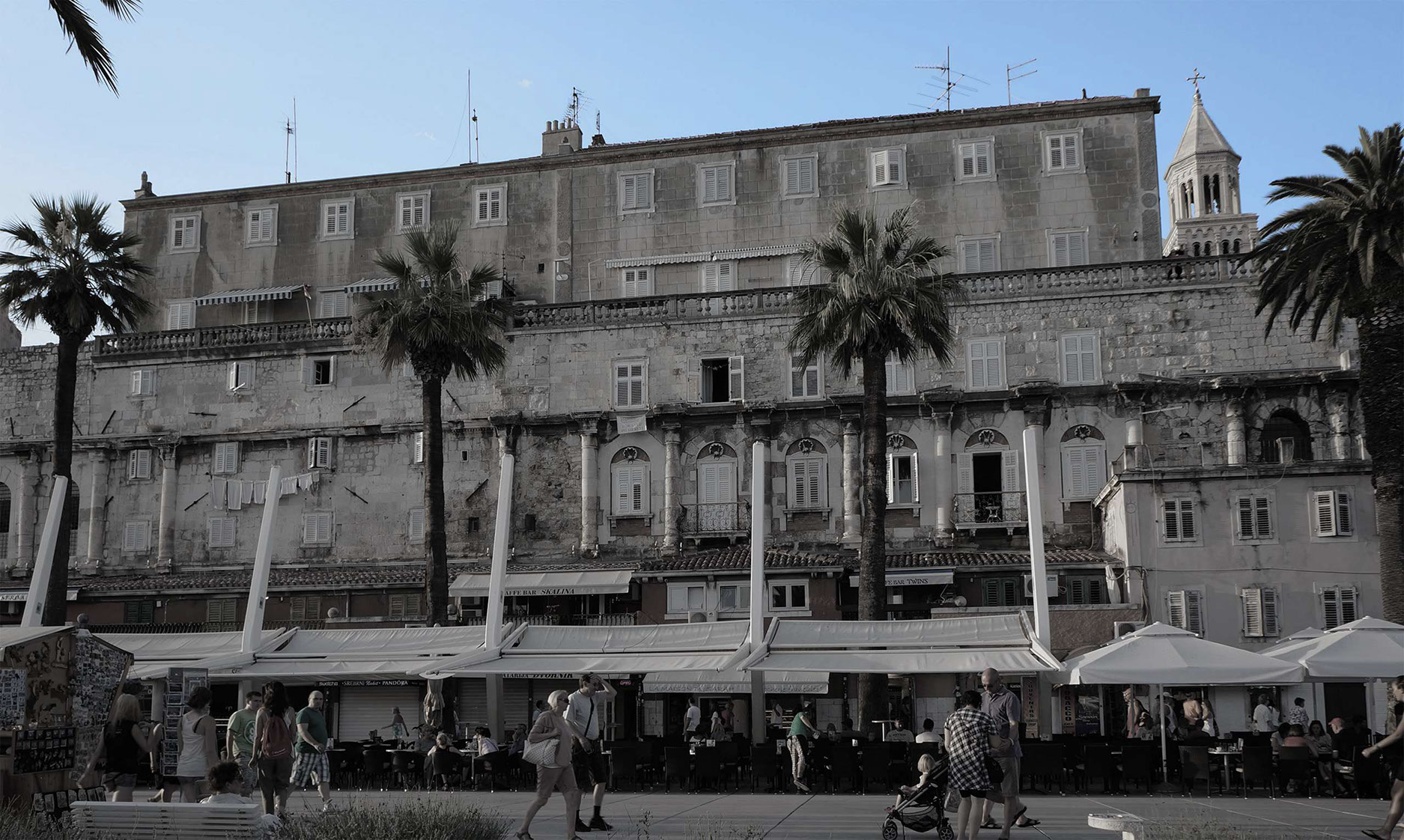
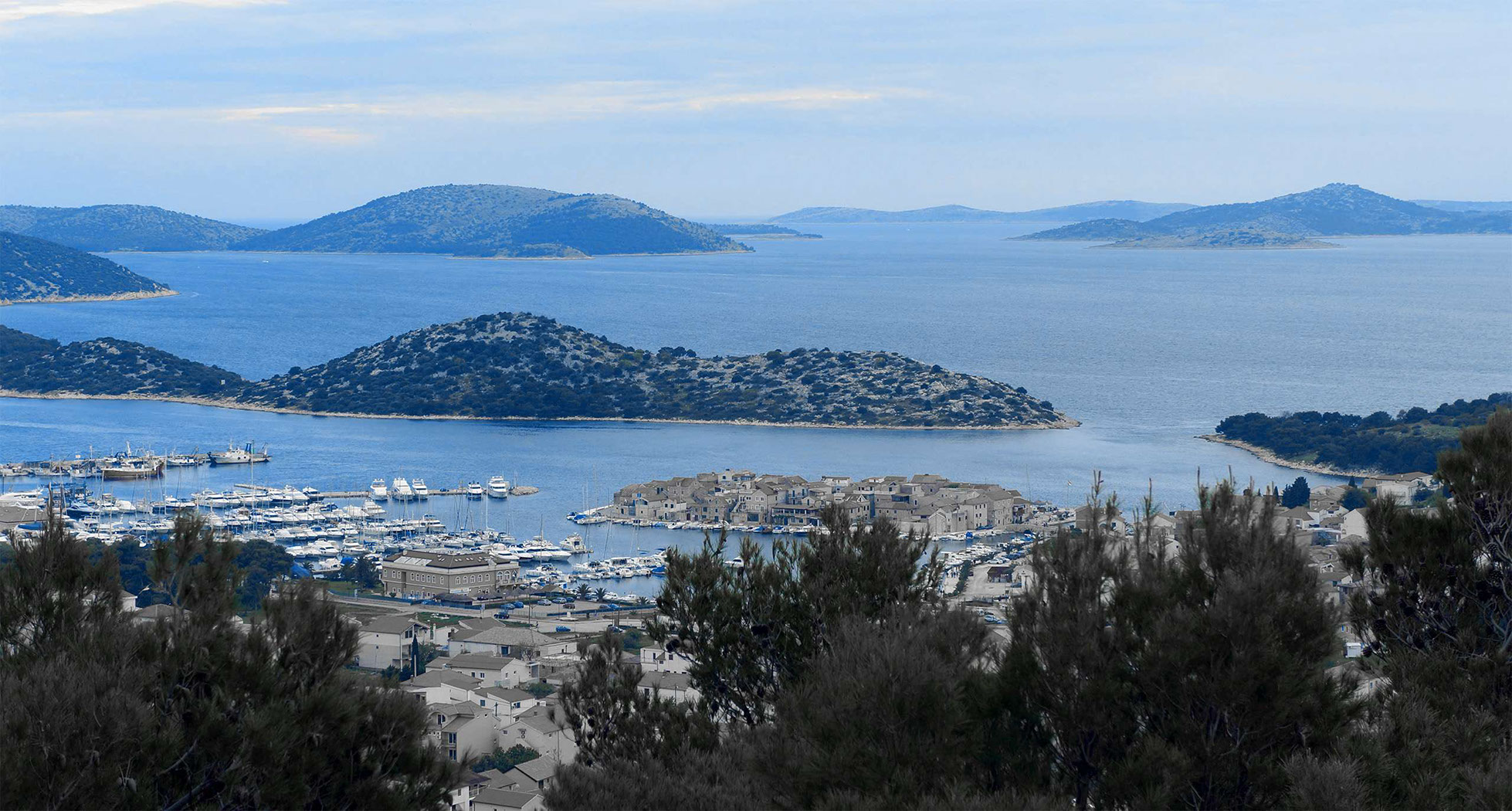
Middle Dalmatia — the wider regions of Split, Šibenik, Makarska, and Zadar — blends atmospheric historic waterfronts with modern coastal developments and a distinctive island landscape. The area includes iconic islands such as Brač, Hvar, and the Kornati archipelago, each offering its own Mediterranean character and architectural diversity. The region is especially popular among beach‑oriented and active travelers, who typically look for apartments, holiday homes, or newly built villas with clean, contemporary Mediterranean lines.
SOUTHERN DALMATIA
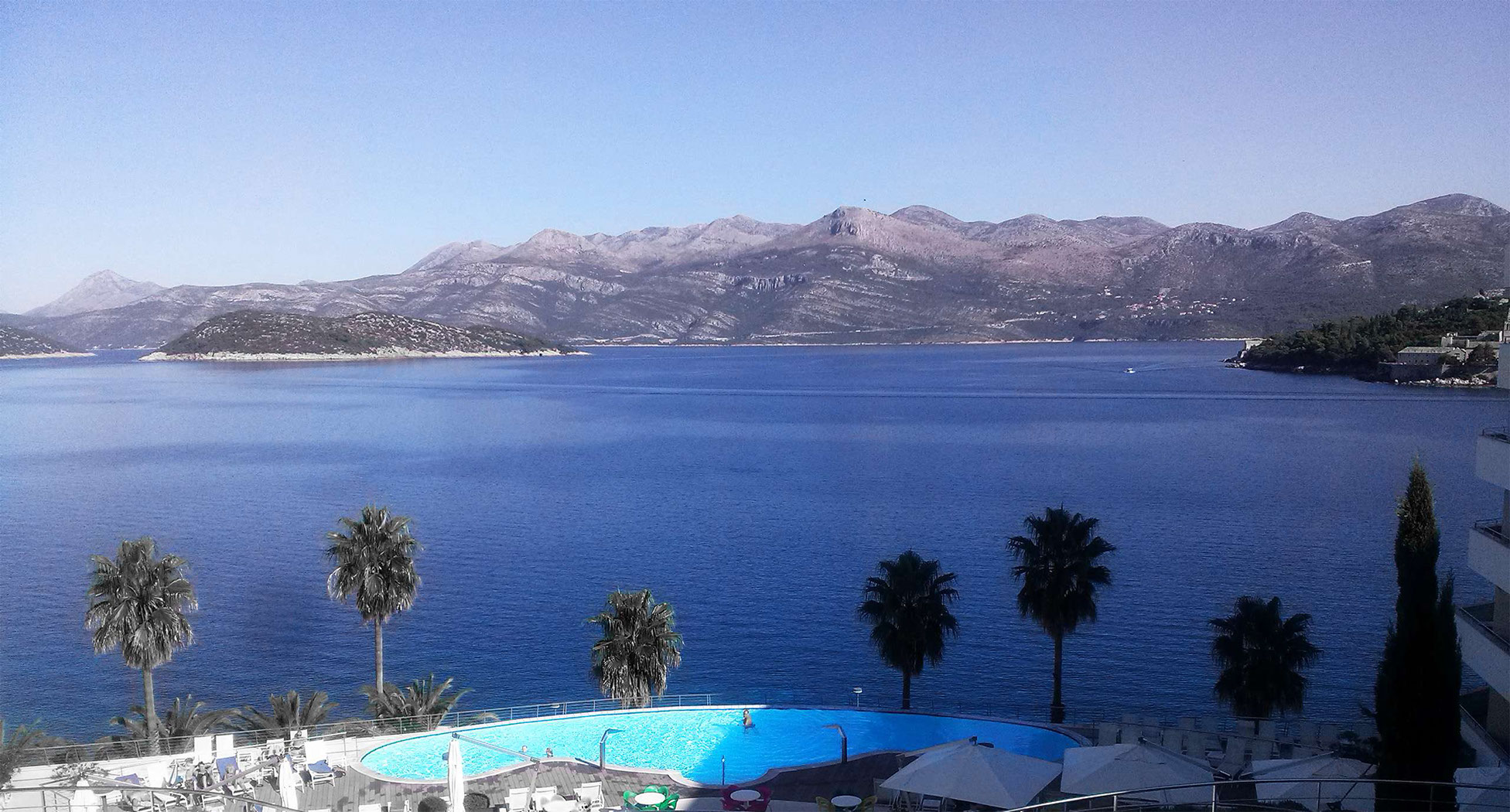
Southern Dalmatia, centered around Dubrovnik and its surrounding coastal towns and islands, is known for its fortified heritage, terraced landscapes, and premium villa architecture, appealing to international cultural visitors and high‑end holidaymakers.
SLAVONIA
Slavonia, with cities like Osijek, Vinkovci, and Slavonski Brod, features flat river landscapes, traditional rural settlements, and spacious family houses, attracting visitors interested in agritourism, nature stays, and heritage‑inspired countryside architecture.
CENTRAL CROATIA
Central Croatia, with Zagreb as its metropolitan hub and towns like Karlovac and Sisak, combines urban apartment living with suburban family homes and historic town centers, appealing to city‑break travelers, business visitors, and those drawn to Central European architectural character.
^
danieldeak.com
CONTACT
Copyright © 2026 Dániel Deák. All Rights Reserved